
9 Very Popular Landmarks That Have Secret Rooms We never Knew Existed!
- 11:36 pm July 12, 2022
- suhas
Numerous nations on the planet are home to popular monuments and landmarks that draw in great many guests every year. However, a few monuments have regions blocked off to public - or anybody by any means. These rooms may be confidential to most guests, yet they're normally not worked for cryptic reasons. These spaces have a wide range of purposes, from record keeping to giving a living space to recreation- or even no genuine reason by any stretch of the imagination.
Wine Cellars In The Brooklyn Bridge
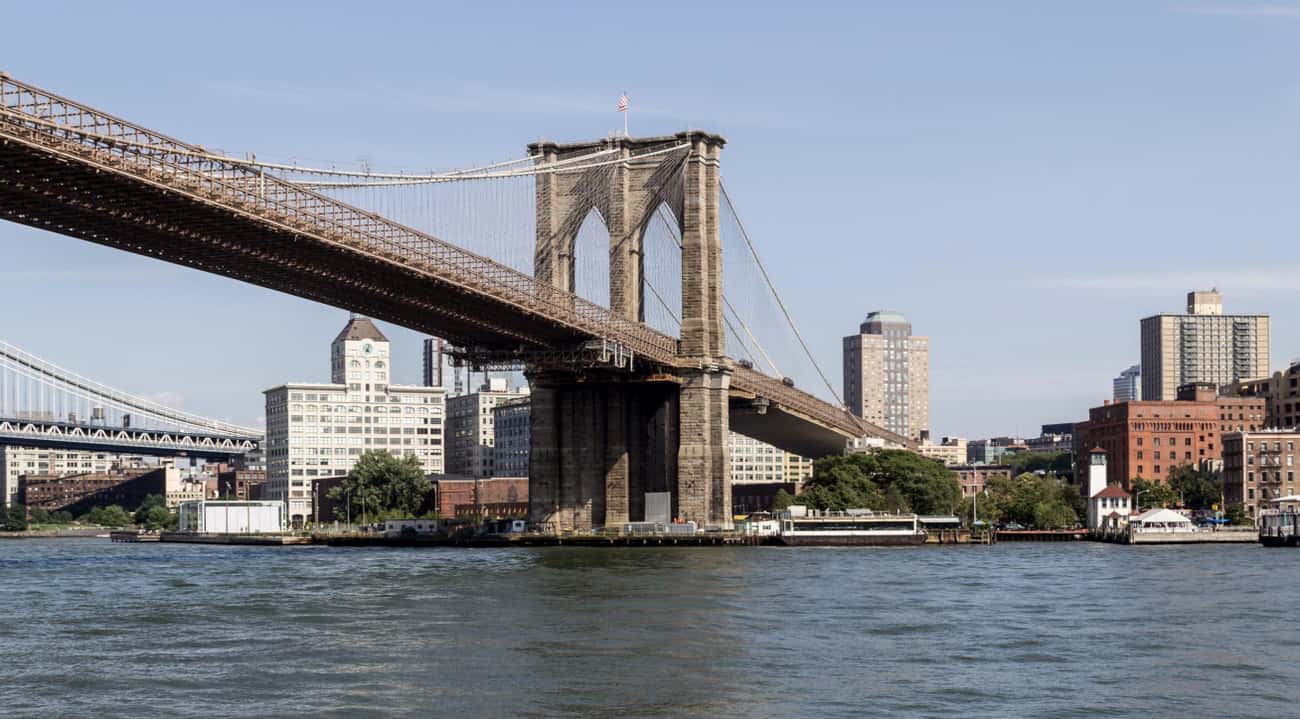
The Brooklyn Bridge at present has two wine cellars, one on each side of the East River. At the point when the scaffold was built, parts of neighborhoods in Manhattan and Brooklyn had to be demolished in order to built the bridge's two anchorage sections, which connect the bridge to land. To repay neighborhood shippers and offset a part of the scaffold's $15 million budget wine basements and other vaulted spaces were integrated into the bridge's plan.
A few wine vendors and other liquor dealers started leasing the spaces in 1883, when the bridge was finished. Aside from the Prohibition years, the cellars stayed in activity until World War II.
Apartments In New York Public Libraries
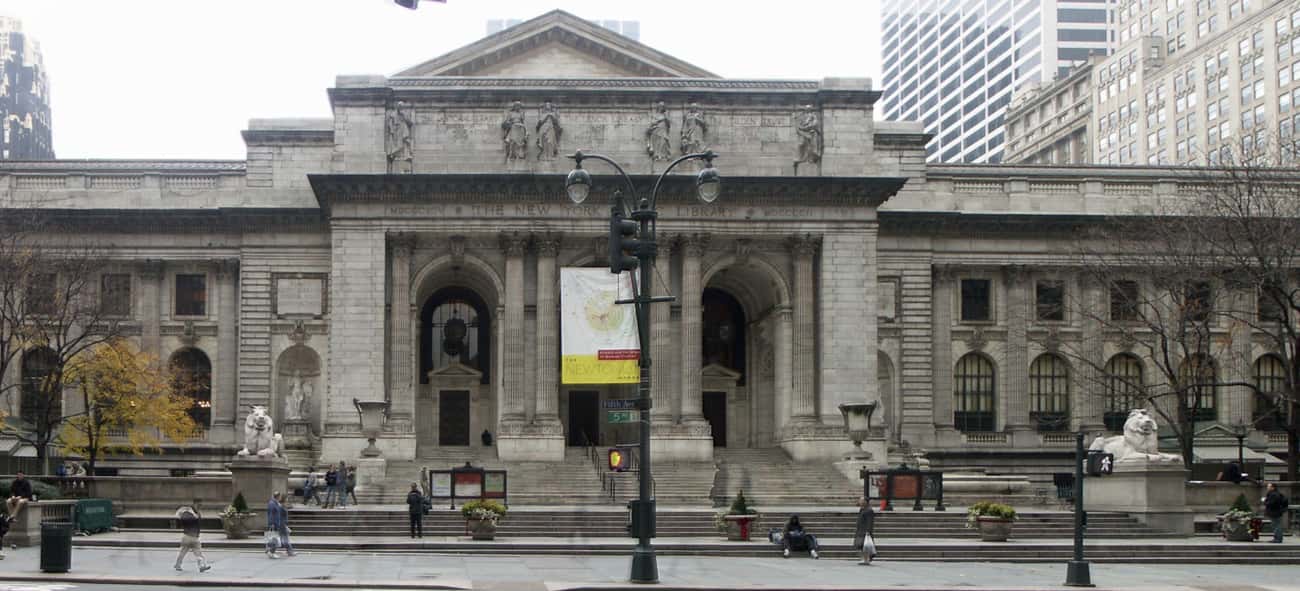
In 1901, steel baron Andrew Carnegie gave New York City a grant to construct an arrangement of 67 public libraries, which added up to $5.2 million (about $100 million today).
Carnegie's libraries were warmed by coal heaters and required live-in overseers, or caretakers. Some New York City public libraries included apartments to house overseers and their families. Most have been unused since the 1970s, however the city started redesigning them in 2016.
The Movie Theater And Restaurant In The Paris Catacombs
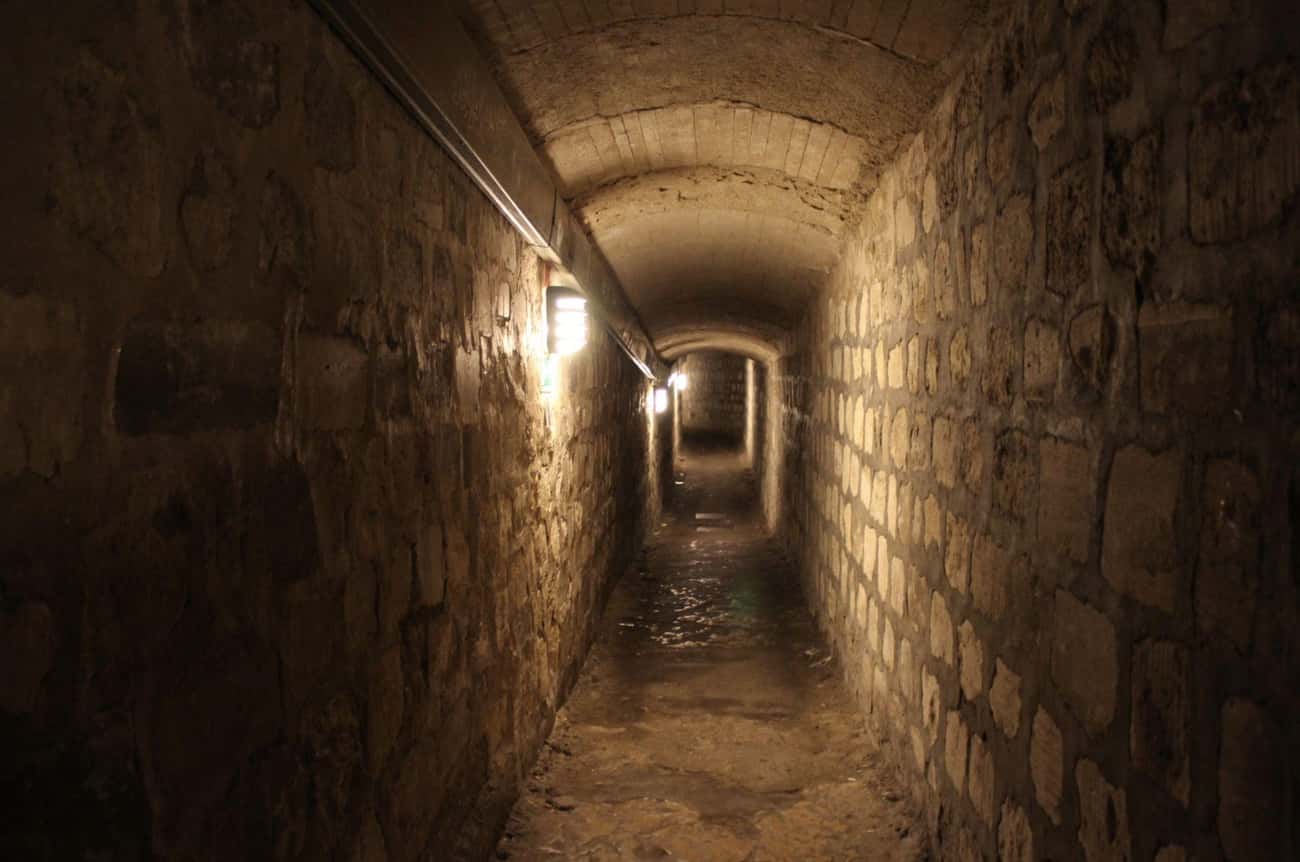
In 2004, French specialists found what was discovered a movie theater and restaurant in the catacombs underneath the city. Significantly more interesting, compositions and images on the walls estimated it was under the activity of a mysterious society of some sort or another.
That really ended up being the situation. In 2011, a representative of a group called UX, or Urban experiences, assumed praise for the site. The group claimed to have 100 individuals who were working in little groups to transform Paris's unused urban spaces into "a theater for new experiences."
The Attic In The Washington Square Arch
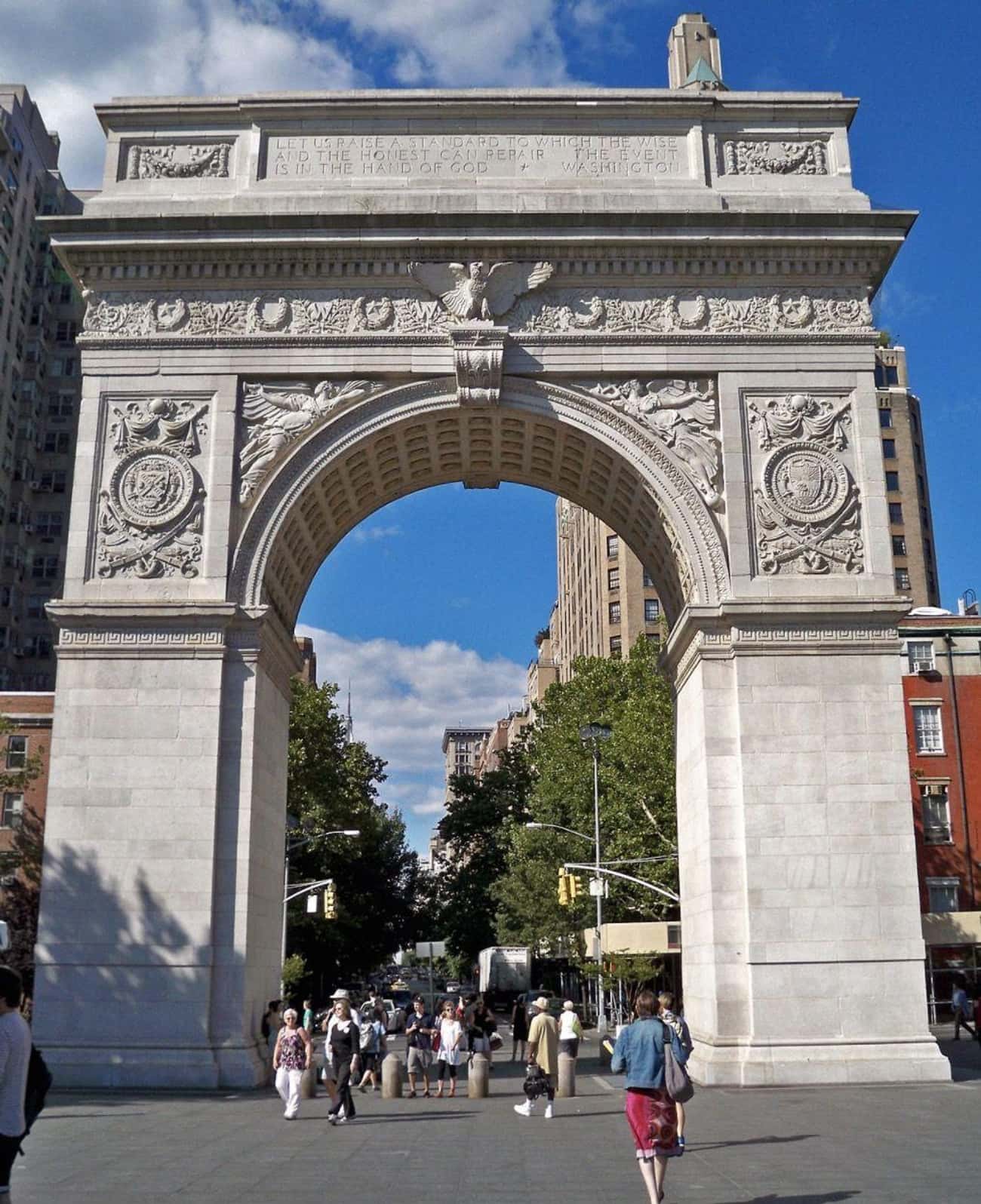
The Washington Square Arch in New York City is certainly not a totally strong structure. The 72-foot curve incorporates a hollow upper portion with 17-foot ceilings. Building a hollow curve enjoyed the benefits of being less unbalanced and expensive to develop. It's accessible by a spiral staircase in the western section of the curve, in spite of the fact that it's not open to people in general. Today, the space is used for maintenance, and it once held a Parks Department office.
The Apartment At The Top Of The Eiffel Tower
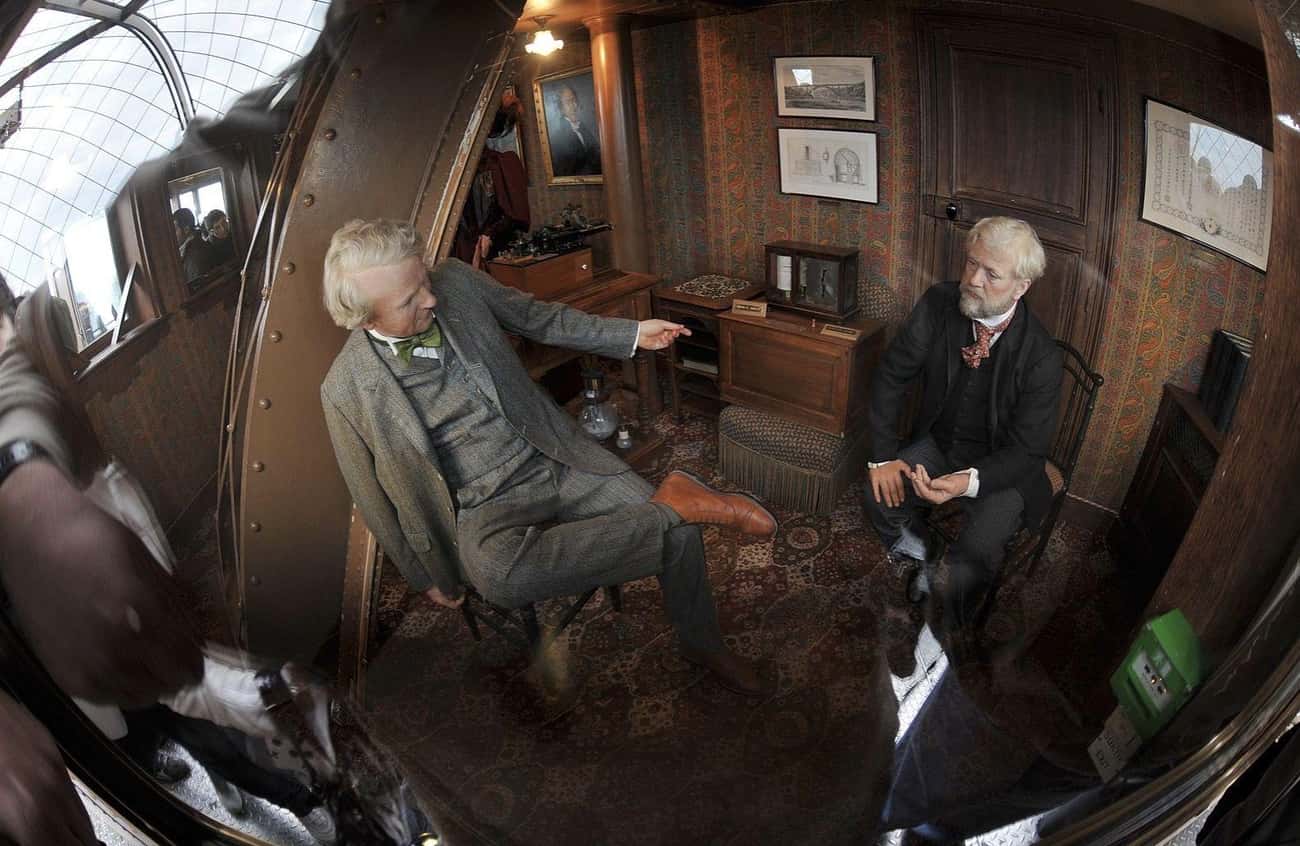
At the point when the Eiffel Tower was finished on March 31, 1889, it was a significant achievement both concerning engineering and science. The uncommon iron construction was double the height of the past world's tallest object, the Washington Monument. It was likewise a sort of exploration lab and in the end a radio tower.
The Eiffel Tower was finished early in a little more than two years, in time for the Paris World's Fair. That was sufficient to give designer Gustave Eiffel a few serious advantages, similar to a apartment for himself at the highest point of the tower. It offered Eiffel one of the most amazing views on the city.
Eiffel constantly declined offers to rent his pad, and rarely invited anyone up, but currently the apartment is viewable to the public.
The Tiny Police Station In A Light Post At Trafalgar Square
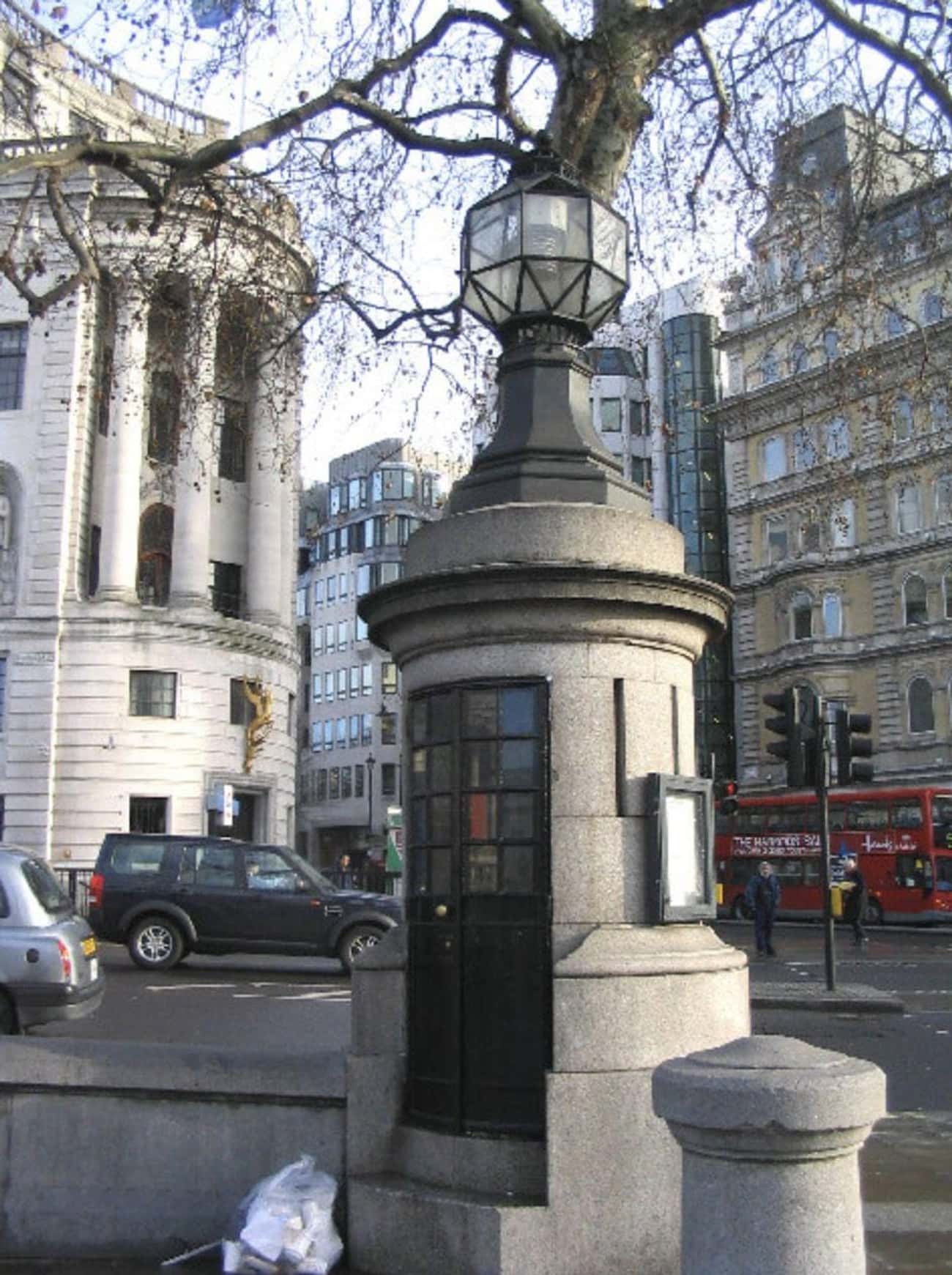
In 1926, miners across the UK went on strike to protest against an involuntary 13% wage cut, as well as an expansion in weekly labor. This prompted the general strike, when laborers in different ventures would not work in solidarity. The stoppage endured nine days.
Fights were common over time, particularly in London's Trafalgar Square. Police needed to build a temporary police headquarters in the square to monitor protesters, but public outcry forced them to drop the project. Instead, the police used one of the square's large light posts to house a tiny police station, hiding it in plain sight. It's currently used for custodial storage.
The Hall Of Records Behind Mount Rushmore
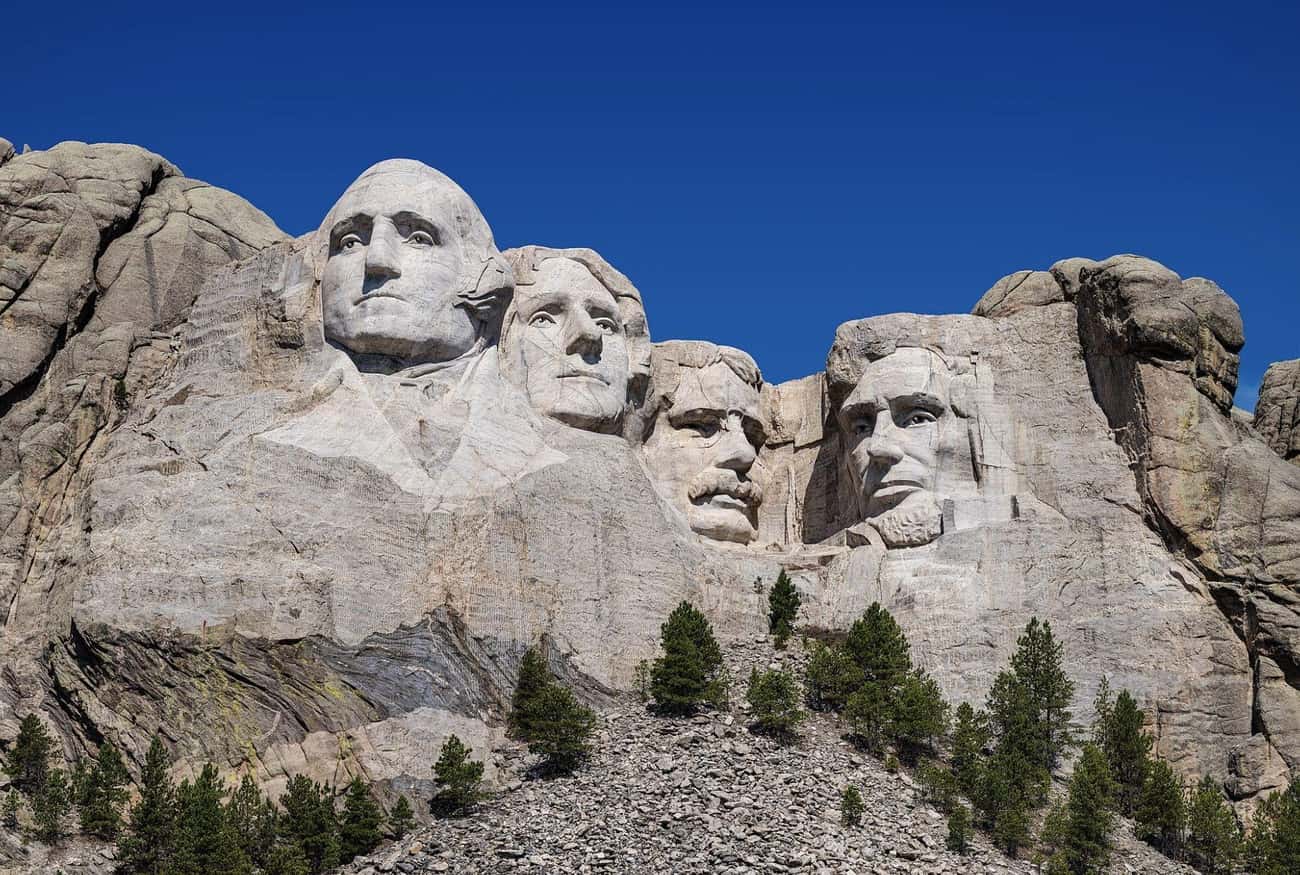
Artist Gutzon Borglum planned Mount Rushmore, and he was sufficiently aggressive to trust his monument would rank among world historical sites like Stonehenge. Yet, Borglum was additionally worried that, in the far future, the significance behind his monument would be lost. His original design was significantly more intricate, and it included enormous blocks of texts that would have made sense of the historical backdrop of both the monument and United States.
But that idea was unfeasible, so Borglum's next idea was to build an underground chamber deep under the mountain to house documents and artifacts related to it. Construction on Mount Rushmore began in 1927, and Borglum began building the Hall of Records in 1938 - but Congress halted the project one year later.
Borglum passed in 1941, months before Mount Rushmore was completed. The Hall of Records remained unfinished until 1998.
The Basement Under The Lincoln Memorial

Underneath the Lincoln Memorial is a 43,800-square-foot vault called the Undercroft. Notwithstanding the extravagant name, it was more similar to an incomplete basement than a chamber of secrets - until recently.
The huge monument was built in 1914 on a flood plain that had as of late been made from the Potomac River. The sloppy site constrained the developers to dig a foundation 40 feet down, where they constructed huge substantial points of support supporting the monument. With no other reason, the Undercroft was deserted and forgotten until 1975.
The only historical significance to the Undercroft is it's also a site of authentic 1914 graffiti drawn by the builders. As of 2020, Washington, DC, was planning to renovate the Undercroft to turn it into a museum and visitor center.
The Room In The Torch Of The Statue Of Liberty
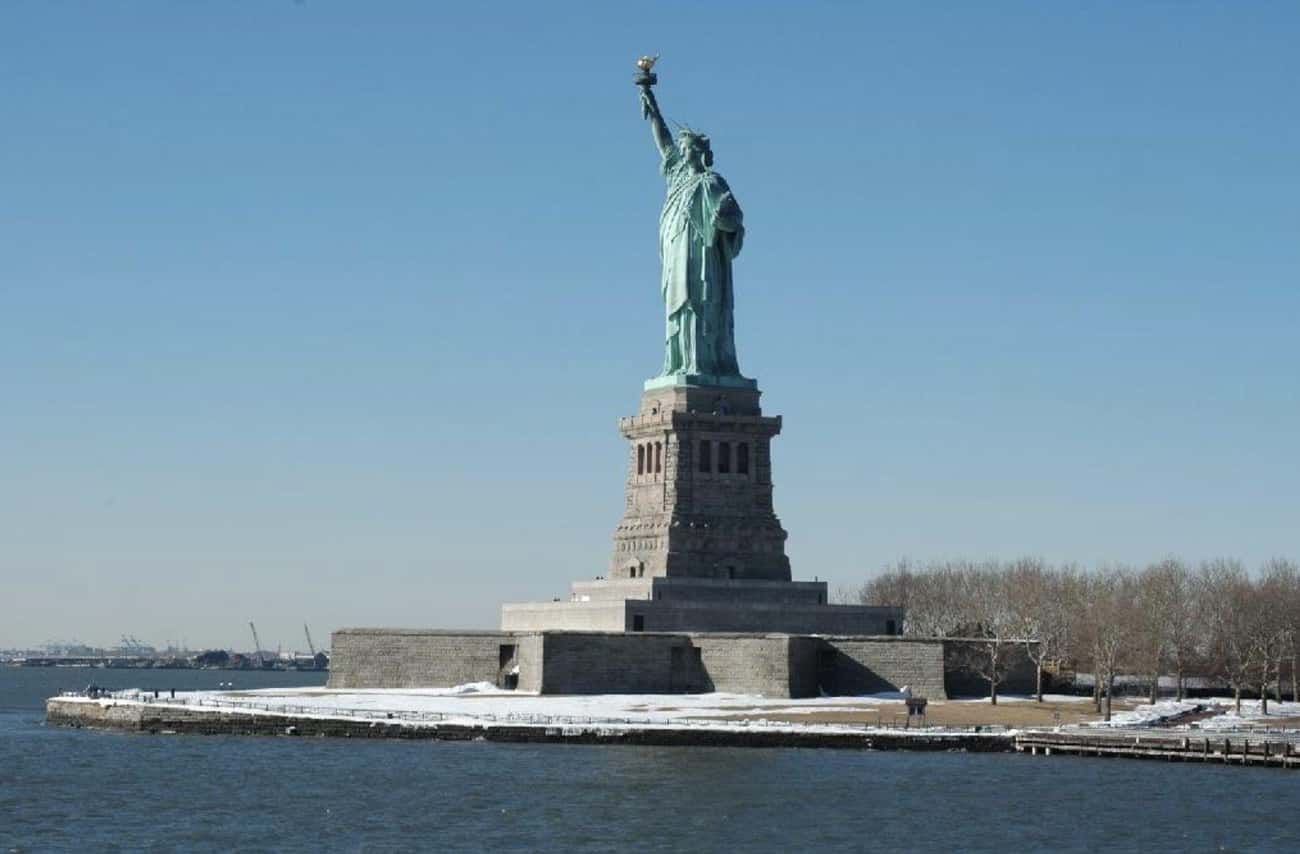
As of now, the crown of New York City's Statue of Liberty is the most highest point available to people in general. Be that as it may, the real most highest point is situated in the torch, which has been shut to the general population starting around 1916.
That year, an American shipment of military stores exploded in the city's harbor, an occurrence that became known as the Black Tom blast. The shipment was intended for Britain's use in World War I, and it was subsequently determined German agents were responsible.
The explosion itself was so massive shrapnel damaged the Statue of Liberty's torch. The city closed the torch for precautionary reasons and hasn't reopened it since.


13 Secret Functions of Your Cell Phone You Had No Idea Existed
- 1:47 pm March 24, 2018
- suhas

Give A Stunning Transformation Of Small Rooms With An Ease
- 3:41 pm July 24, 2018
- suhas

10 Craziest Japanese Inventions We Never Knew Existed
- 4:00 pm July 18, 2018
- suhas

7 Secret Apple Codes Hidden In Your Iphone You Never Knew About
- 4:50 pm July 15, 2018
- suhas
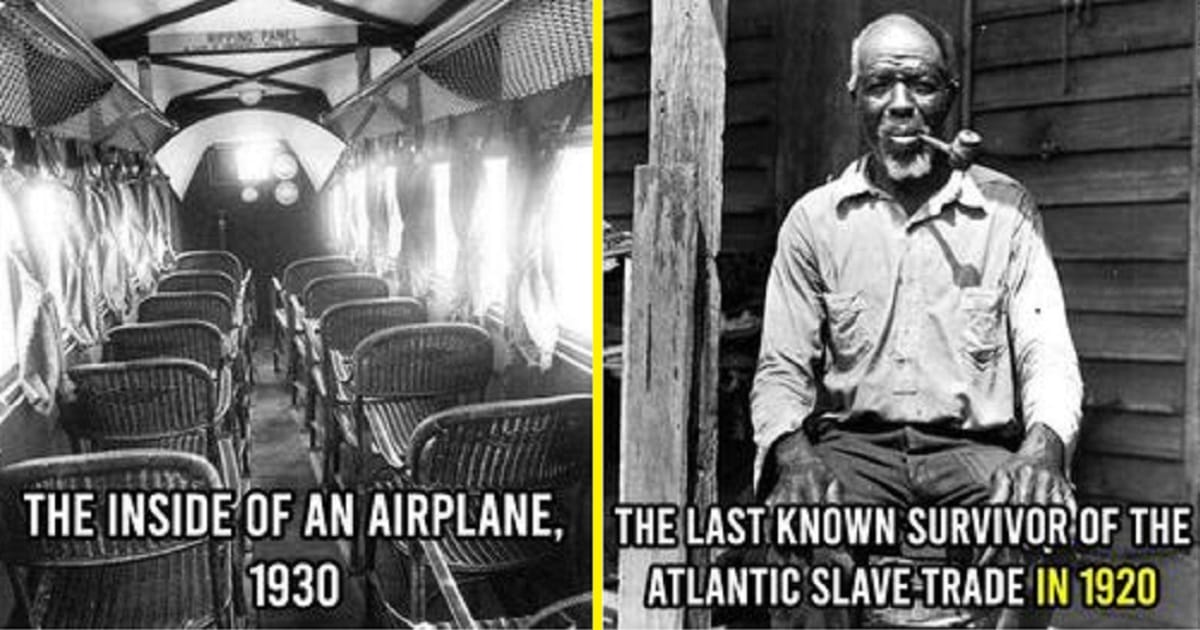
9 Most Fascinating Historical Images you Won't Believe Are True But Actually Are
- 4:50 pm July 8, 2022
- suhas

9 Secret Messages These Popular Logos Are Hiding Inside!
- 12:18 pm May 22, 2021
- suhas