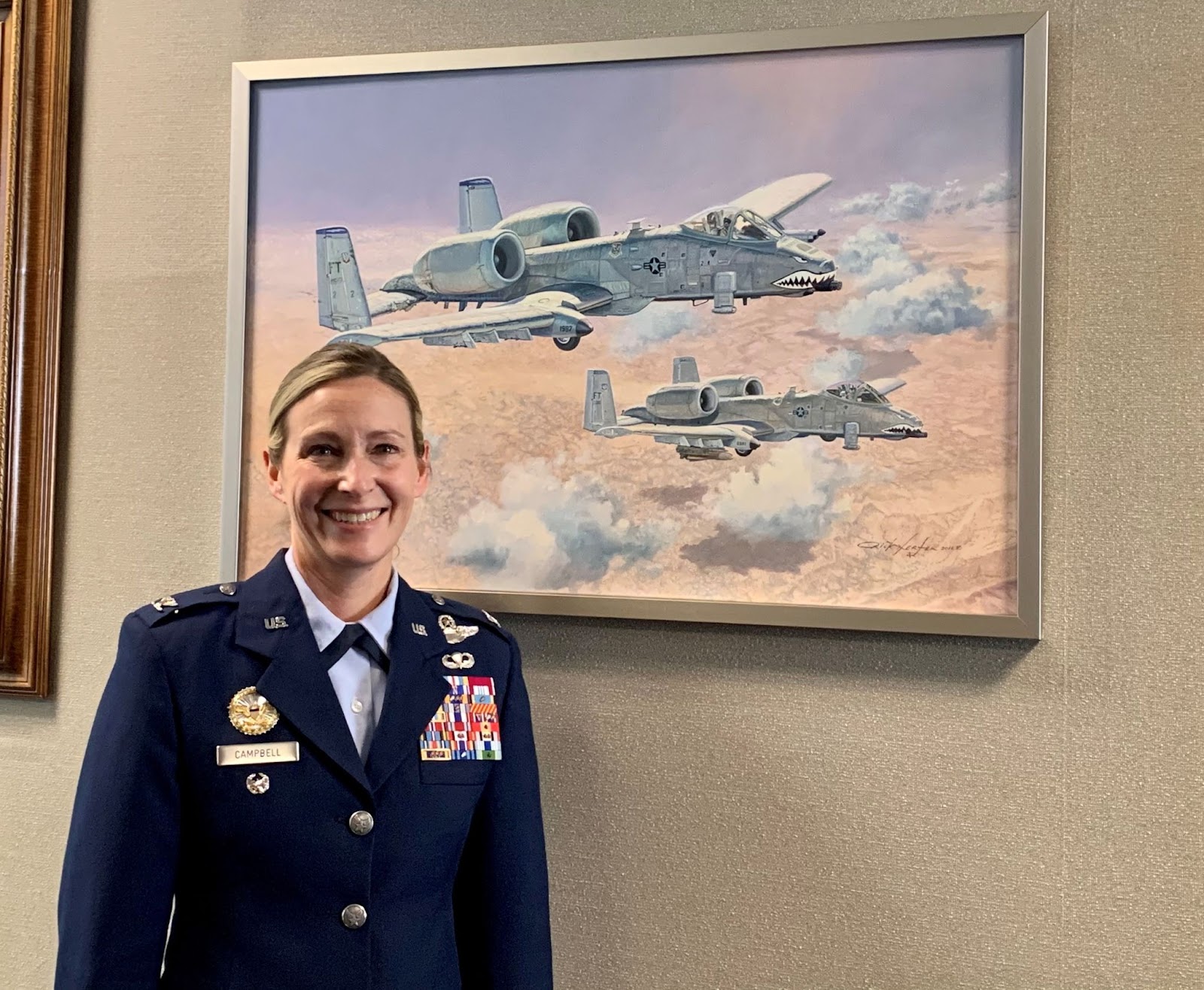
Her A-10 Was Falling Apart—But She Refused to Eject
- 3:06 pm August 20, 2026
- Yashvi
Captain Kim Campbell was flying a combat mission in Iraq when a missile badly damaged her A-10, destroying both hydraulic systems. With her normal controls gone, she had a terrifying choice—but what she did next helped her bring the aircraft safely home.
A Missile Nearly Destroyed Her A-10
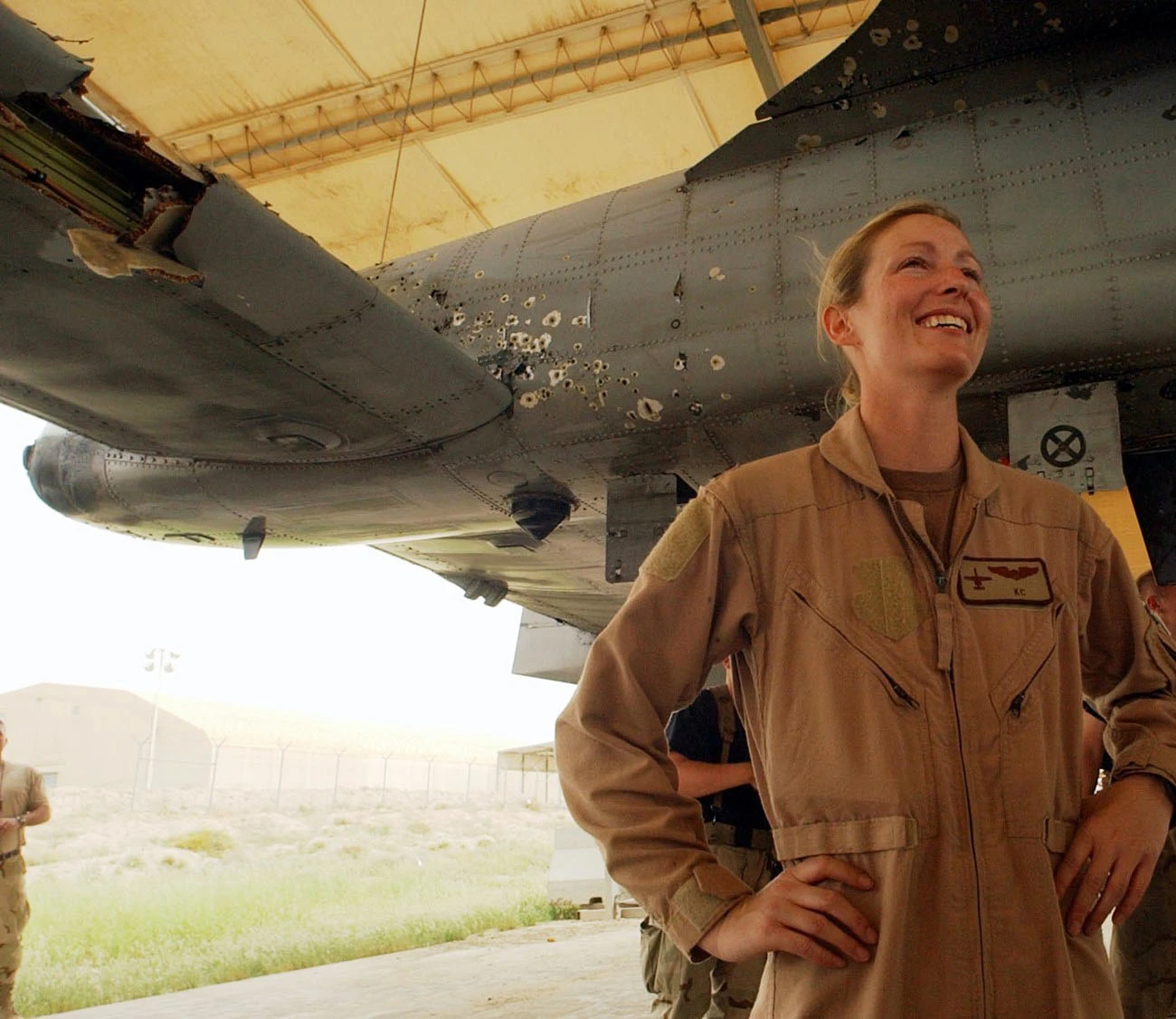
On April 7, 2003, during the Battle of Baghdad, Captain Kim Campbell was providing close air support to U.S. troops trapped near an important bridge in North Baghdad. After attacking an enemy position, her A-10 was hit by a surface-to-air missile. Both hydraulic systems were destroyed, and shrapnel tore through the aircraft.
She Refused to Eject Over Enemy Territory
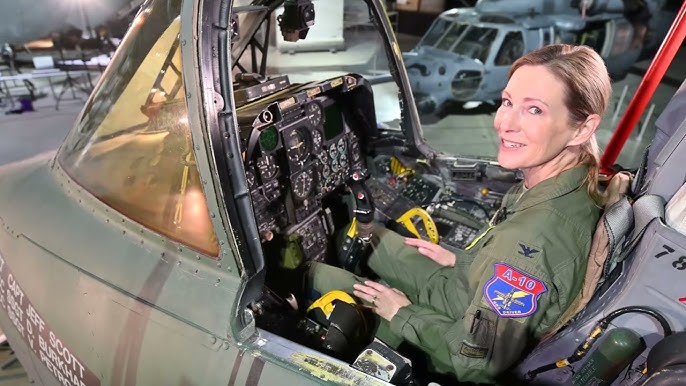
The damaged aircraft suddenly rolled left and turned toward Baghdad. Campbell’s normal controls were no longer working, leaving her with a difficult choice: eject over enemy territory or try to save the aircraft. She chose to stay with the A-10 and switched to manual reversion, a backup system that uses mechanical cranks and cables to control the aircraft without hydraulics.
She Flew 300 Miles and Landed Safely

Campbell managed to regain control and flew about 300 miles back to Ahmad Al-Jaber Air Base in Kuwait, with her flight lead escorting her. After roughly an hour in the air, she landed the damaged A-10 despite having no working hydraulics or brakes. Ground crews later found more than 150 holes in the aircraft, including one in the right horizontal stabilizer about the size of a football. For her courage and skill, Campbell received the Distinguished Flying Cross. She later retired as a colonel, and part of the damaged aircraft’s tail remains in her home as a reminder of that day.


Reasons Why Falling In Love For The Second Time Is Better Than The First
- 2:40 pm March 26, 2018
- Yashvi

12 Effortlessly Simple Ways To Attract Men And Keep Them Interested
- 11:03 pm April 18, 2018
- Yashvi

6 Zodiac Signs Combos Should Think Twice Before Falling In Love
- 4:23 pm March 28, 2018
- Yashvi

9 Girls Who Refused To Shave And Proudly Let Their Body Hair Be Free
- 6:07 pm August 18, 2022
- Yashvi

There Is Nothing More Beautiful Than Falling In Love With Someone Who Knows How To Love You In Return
- 2:28 pm March 22, 2018
- Yashvi

9 Celebrities Who Were Offered a Win-Win Role but They refused doing it.
- 2:28 pm June 23, 2022
- Yashvi